Introduction: Why Car Diagnosis Has Never Been More Important
Modern vehicles are rolling computers. Beneath the hood of your car lies a sophisticated network of sensors, control modules, and electronic systems that constantly monitor everything from engine timing to exhaust emissions. When something goes wrong — or even when something is about to go wrong — these systems generate data that can tell you exactly what the problem is, where it is, and how serious it might be.
The challenge for most car owners is knowing how to access that data. For decades, the only way to get a proper car diagnosis was to drive to a mechanic, hand over your keys, and wait for a bill that often felt more painful than the problem itself. Today, that’s no longer the case. Thanks to affordable and powerful diagnostic tools, any car owner with a modest amount of technical curiosity can tap into their vehicle’s onboard computer and get real answers — fast.
This guide is designed to walk you through everything you need to know about car diagnostics: how the system works, which tools are available, how to read and interpret codes, and how to make smart decisions about repairs. Whether you’re a complete beginner or a seasoned DIY mechanic, you’ll find practical, actionable information here that can save you hundreds of dollars and countless hours of frustration.
What Is OBD2 and Why Does It Matter?
Before diving into the world of car scanning tools and code readers, it helps to understand the foundation everything is built on: the OBD2 system.
OBD stands for On-Board Diagnostics, and OBD2 (also written as OBD-II) is the second-generation standard that has been mandatory in all cars sold in the United States since 1996. The European equivalent is EOBD (European On-Board Diagnostics), which became mandatory for petrol vehicles in the EU from 2001 and diesel vehicles from 2004. Whether you’re using an eobd2 scanner for a European vehicle or a standard OBD2 reader for an American car, the underlying communication protocols are largely the same, making most modern scan tools universally compatible.
The OBD2 port — a 16-pin diagnostic connector — is typically located under the dashboard on the driver’s side. This port is the gateway to your vehicle’s entire electronic nervous system. When you plug in a car diagnostic tool, it communicates with your car’s Engine Control Unit (ECU) and other control modules, pulling data and stored fault codes that describe any detected problems.
The genius of the OBD2 standard is its universality. Because regulators mandated a common standard, a single scanner obd2 device can work across virtually every make and model sold since the mid-1990s. This universal compatibility is what makes the DIY car diagnostics market so powerful and accessible today.
Understanding Car Diagnostics: How the System Works
To truly get the most out of diagnostic cars technology, it helps to understand what’s happening under the hood — both literally and figuratively.
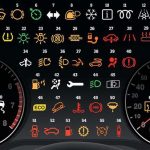
Your vehicle is equipped with dozens of sensors that continuously measure parameters like oxygen levels in the exhaust, coolant temperature, throttle position, mass airflow, crankshaft position, and much more. All of this data feeds into the ECU, which acts as the brain of the vehicle. The ECU compares incoming sensor data against expected values stored in its memory. When a reading falls outside of acceptable parameters — either too high, too low, or fluctuating erratically — the ECU logs a Diagnostic Trouble Code (DTC) and, in many cases, illuminates the Check Engine Light (CEL) on your dashboard.
This is where car diagnostics comes in. By performing an obd ii scan, you’re essentially asking the ECU to report what it has recorded. The scanner retrieves the stored DTCs, along with other useful data like freeze frame information (a snapshot of what the engine was doing when the fault occurred) and live sensor readings. With this information in hand, you can pinpoint the source of a problem far more efficiently than any trial-and-error approach could ever allow.
It’s worth noting that not all faults trigger the Check Engine Light immediately. Some issues require a fault to be detected across multiple drive cycles before the light comes on. This is why periodic use of a car diagnostic tool — even when no warning light is visible — is a smart preventive maintenance habit.
Types of Car Diagnostic Tools Available Today
The market for diagnostic car tools has expanded enormously over the past decade, and there are now options to suit every budget and skill level. Understanding the categories will help you make a smarter purchasing decision.
Basic Code Readers
A basic code reader for car use is the entry-level option. These devices — often no larger than a USB drive or a TV remote — plug into your OBD2 port and display the fault codes stored in your ECU. They typically show the code number (like P0301, for example) and a brief description. Some models allow you to clear codes and reset the Check Engine Light. These are excellent for car owners who simply want to know what a warning light means before heading to a shop, or who want to verify that a repair has resolved the issue. Prices for a basic obd2 codes reader typically range from $20 to $80.
Mid-Range OBD2 Readers
Stepping up from basic code readers, mid-range obd2 reader devices offer significantly more functionality. These car scanning tools typically support live data streaming, freeze frame data, oxygen sensor tests, I/M readiness monitors (which tell you if your car will pass an emissions inspection), and sometimes even manufacturer-specific codes beyond the standard generic OBD2 codes. These are the workhorses of the DIY diagnostic world, and they represent excellent value for the price — usually between $80 and $300. A quality mid-range car scan tool is what most serious DIYers and weekend mechanics rely on.
Professional-Grade Scan Tools
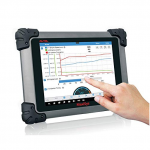
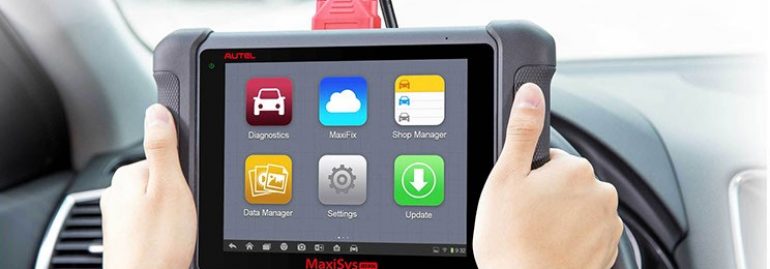
At the top of the spectrum, professional scan tools for cars offer the same depth of functionality that dealerships and independent repair shops use. These devices support bidirectional control (meaning they can command your vehicle’s systems to perform specific tests), full system scans (not just the engine, but ABS, airbags, transmission, HVAC, and more), advanced coding and programming, and access to manufacturer-specific diagnostic protocols. Professional car diagnostics scanner units from brands like Autel, Launch, and Snap-on can cost anywhere from $500 to several thousand dollars, but they pay for themselves quickly in a professional shop environment.
Wireless and Smartphone-Based Scanners
A rapidly growing segment of the market is wireless OBD2 adapters that pair with smartphone apps via Bluetooth or Wi-Fi. These cars scanners plug into your OBD2 port and transmit data to your phone, where dedicated obd software displays the information in a user-friendly interface. The best of these systems offer surprisingly deep functionality, including real-time dashboards, data logging, and even GPS tracking of fault occurrences. They’re especially popular with everyday drivers who want ongoing visibility into their vehicle’s health without carrying a dedicated device.
How to Choose the Right Car Diagnostics Scanner
With so many options on the market, selecting the right car scanner tool can feel overwhelming. Here’s a practical framework for making the right choice.
Start by honestly assessing your needs. If you own one or two vehicles and primarily want to decode warning lights and clear codes, a mid-range obd2 reader will serve you perfectly well. If you’re a professional mechanic or run a repair shop, investing in a high-end professional unit is a no-brainer. If you’re somewhere in between — a serious DIYer who works on multiple vehicles — look for a mid-to-high-range car diagnostic tool that balances capability with cost.
Next, consider vehicle compatibility. While OBD2 is a universal standard for post-1996 vehicles, some advanced functions are manufacturer-specific. If you own a European vehicle, make sure your chosen eobd2 scanner explicitly supports EOBD protocols and your specific make (VAG vehicles like Volkswagen and Audi, for instance, often require scanners with specific VW/Audi protocol support for full-system access). Similarly, if you’re working on Asian manufacturers like Toyota, Honda, or Hyundai, verify enhanced compatibility.
Think about the user interface. Some scan tools for cars display information on a small built-in screen with limited context, while others offer color touchscreens with intuitive menus. If you’re not deeply technical, a scanner with a clear, well-organized interface and built-in code definitions will reduce frustration significantly. Some models even include built-in repair tips alongside code descriptions, which adds real practical value.
Update capability is another factor often overlooked by first-time buyers. Vehicle technology evolves rapidly, and a scanner obd2 device that doesn’t receive regular software updates will become less useful over time as new vehicle models are released. Look for brands that offer free or affordable updates over the long term.
Finally, consider the quality of the software ecosystem. Many modern car diagnostic tools come with companion desktop or mobile software that unlocks additional features, allows you to review and analyze logged data, and provides access to community databases of known fixes for specific fault codes. Strong obd software support can dramatically increase the value of your hardware investment.
How to Perform an OBD II Scan: Step by Step
Even if you’ve never used diagnostic tools for cars before, performing an obd ii scan is a straightforward process. Here’s exactly how to do it.
Begin by locating your OBD2 port. In most vehicles, it’s found beneath the driver’s side dashboard, often near the steering column or fuse box. It’s a trapezoidal 16-pin connector. If you can’t find it, your car’s owner’s manual will specify its exact location.
With the car turned off, plug your car scanner tool firmly into the OBD2 port. You should feel it click into place. If you’re using a wireless adapter, this is also when you’d pair it with your smartphone via Bluetooth or Wi-Fi before launching the obd software app.
Turn your ignition to the “on” position without starting the engine (in most vehicles, this means turning the key two clicks forward, or pressing the start button without pressing the brake). This provides power to the ECU and allows the scanner to communicate with it.
On your scanner or app, select “Read Codes” or the equivalent option. The device will communicate with your vehicle’s ECU and retrieve any stored DTCs. The process typically takes anywhere from 10 to 60 seconds. Your car diagnostics scanner will then display the codes, usually along with brief descriptions.
Write down every code you receive before doing anything else. If you have multiple codes, note which one appeared first or which is listed as “current” rather than “pending,” as these distinctions matter when diagnosing the root cause.
After recording the codes, you can also review live data streams if your device supports it. This is where a car scan tool really earns its value — watching real-time oxygen sensor voltage, fuel trim values, coolant temperature, and other parameters can confirm whether a repair was successful or help you understand exactly how a fault is manifesting.
Understanding OBD2 Codes: What Your Car Is Telling You
The codes retrieved by your obd2 codes reader follow a standardized format that tells you a great deal before you even look up the specific definition.
Every OBD2 code consists of five characters: one letter followed by four numbers. The letter indicates the system involved: P for Powertrain (engine and transmission), B for Body, C for Chassis, and U for Network Communication. The first number indicates whether the code is generic (0) and applies to all OBD2 vehicles, or manufacturer-specific (1, 2, or 3). The remaining three characters pinpoint the specific subsystem and fault.
For example, the code P0420 — one of the most common codes DIYers encounter — tells you it’s a Powertrain (P), generic (0), catalytic system efficiency fault (420). Specifically, it indicates that the catalytic converter’s efficiency has fallen below the threshold required by regulations. Knowing this, you can begin investigating the relevant components rather than guessing blindly.
Pending codes are faults the ECU has detected but has not yet confirmed across multiple drive cycles. These are important to note because they represent developing problems that may not yet have triggered the Check Engine Light but will likely do so soon. A thorough car diagnosis should always include reviewing pending codes alongside confirmed DTCs.
Freeze frame data is equally valuable. When a code is stored, the ECU simultaneously saves a snapshot of key operating parameters at the moment the fault was detected — things like engine RPM, vehicle speed, engine load, coolant temperature, and fuel trim values. This freeze frame is accessible through your cars scanner and provides crucial context for diagnosing intermittent faults that might not be reproducible on demand.
Don’t make the mistake of immediately clearing codes without thoroughly documenting and understanding them. Clearing codes with your code reader for car use erases both the codes and the freeze frame data. If the underlying problem remains, the code will return — but you’ll have lost valuable diagnostic context in the meantime.
OBD Software: Taking Diagnostics to the Next Level
Hardware is only half the equation. The OBD software you use to interpret and analyze the data from your scanner obd2 device can make an enormous difference in how effectively you diagnose problems.
There are several categories of OBD software worth knowing about. Desktop software packages, typically offered by scanner manufacturers, allow you to connect your scanner to a computer via USB and work with data on a larger screen with more analytical tools. These programs often let you log extended data sessions, overlay multiple parameters on graphs, and export data for further analysis or sharing with a mechanic.
Mobile apps for wireless OBD2 adapters have become a category unto themselves. Apps like Torque Pro, OBD Fusion, and Car Scanner ELM OBD2 offer feature sets that rival many dedicated hardware scanners, with real-time gauges, customizable dashboards, fault code databases, and performance testing features. The best of these apps are regularly updated and supported by active developer communities.
Cloud-based platforms represent the frontier of obd software development. These systems aggregate data from your vehicle over time, identify patterns, and can even predict failures before they occur based on trends in sensor data. For fleet managers and commercial operators, this predictive capability has enormous value.
When evaluating software, look for a comprehensive built-in code database that provides not just the standard code definition but also possible causes, likely fixes, and information about how common or serious the fault is. The best platforms integrate with online communities and repair databases so that you can see what solutions other owners of your specific make, model, and year have used to resolve the same codes.
Car Manuals and Repair Manuals: Your Essential Companion After a Scan
A car diagnostic tool tells you what is wrong. Car manuals tell you how to fix it. These two resources work in powerful tandem, and using them together is the key to successful DIY repairs.
Cars repair manuals — whether in print or digital format — provide vehicle-specific repair procedures, torque specifications, wiring diagrams, component locations, and step-by-step instructions for virtually every maintenance and repair task. Platforms like Alldata, Mitchell1, and Haynes provide access to professional-grade cars repair manuals either by subscription or one-time purchase, covering virtually every vehicle ever sold in the American and European markets.
After performing your obd ii scan and identifying the fault codes, look up the relevant diagnostic procedure in your car manuals. Most professional repair manuals include dedicated diagnostic flowcharts for each fault code — these flowcharts walk you through a systematic series of tests to confirm the fault and identify its root cause. Following these procedures is far more reliable than simply replacing the component most commonly associated with a code, which is a tempting but often expensive mistake.
For example, if your cars scanner returns a P0171 code (System Too Lean, Bank 1), the diagnostic procedure in your repair manual will walk you through checking for vacuum leaks, testing the mass airflow sensor, checking fuel pressure, inspecting the oxygen sensors, and evaluating fuel trim data — all before recommending a specific component replacement. This systematic approach saves money and prevents the frustration of replacing expensive parts unnecessarily.
Digital car manuals are particularly valuable because they’re searchable, always up to date, and often include embedded videos and interactive diagrams. Subscribing to a professional repair database is one of the best investments a serious DIY mechanic can make alongside their car diagnostic tool.
The EOBD2 Scanner: What European Vehicle Owners Need to Know
Owners of European vehicles — particularly those from manufacturers like BMW, Mercedes-Benz, Volkswagen, Audi, Peugeot, Renault, and Fiat — have some specific considerations when it comes to car diagnostics.
The EOBD (European OBD) standard is technically equivalent to OBD2, and a standard scanner obd2 device will read generic powertrain codes on any EOBD-compliant vehicle. However, European manufacturers are well known for their extensive proprietary diagnostic protocols that go far beyond the generic OBD2 standard. To access manufacturer-specific fault codes in ABS, airbag, transmission, suspension, HVAC, and body control modules on European vehicles, you need an eobd2 scanner that specifically supports those proprietary protocols.
For VAG Group vehicles (Volkswagen, Audi, SEAT, Škoda, Porsche, Bentley, and Lamborghini), the VCDS (VAG-COM Diagnostic System) platform by Ross-Tech has become the gold standard among enthusiasts and independent shops. For BMW and Mini, tools like the Carly adapter combined with appropriate software offer deep manufacturer-level access. Many of the top-tier universal car diagnostic tools from brands like Autel and Launch also offer strong European vehicle coverage.
When purchasing diagnostic car tools for a European vehicle, always verify compatibility with your specific model and the control modules you need to access. Generic OBD2 capability is the baseline, but full system access requires proper manufacturer protocol support. The investment in the right eobd2 scanner pays off immediately if you need to diagnose anything beyond basic engine fault codes.
Common Mistakes to Avoid When Using Scan Tools for Cars
Even with the best car scanner tool in hand, there are several pitfalls that can lead you astray during car diagnosis. Awareness of these mistakes will save you time, money, and frustration.
The most common mistake is treating fault codes as direct replacement instructions. A code does not tell you which part to replace — it tells you which circuit or system is behaving unexpectedly. The P0300 random misfire code, for instance, could indicate bad spark plugs, failing ignition coils, a clogged fuel injector, a vacuum leak, low compression, or even a software bug in the ECU. Replacing spark plugs without further diagnosis might solve the problem, or it might leave you with the same misfire and a wallet that’s lighter by the cost of the plugs. Always use codes as a starting point for diagnosis, not as a conclusion.
Another frequent error is ignoring related codes. When your obd2 reader returns multiple fault codes simultaneously, the tendency is to address them one by one. But often, multiple codes share a single root cause. A failing crankshaft position sensor, for example, can generate misfire codes, fuel trim codes, and communication codes simultaneously. Treating each code in isolation wastes time and money. Look for the common thread connecting multiple codes before starting any repair.
Many people also make the mistake of clearing codes immediately after reading them, which erases freeze frame data and resets readiness monitors. If you take your car for an emissions test shortly after clearing codes — even if the underlying problem has been fixed — your vehicle will fail because the readiness monitors haven’t completed their drive cycle. Always allow sufficient driving time for monitors to complete before an emissions test.
Finally, don’t underestimate the value of live data. Many car owners use their car scanning tool only to read and clear codes, never exploring the live data streaming capability. Live data is often where the real diagnostic insight lives — watching parameters in real time as the engine runs can reveal faults that only occur under specific conditions and would never be captured in a stored code.
When to DIY and When to See a Professional Mechanic
Diagnostic tools for cars have genuinely democratized automotive repair, and there’s a wide range of problems that a knowledgeable DIYer can diagnose and fix at home. But it’s equally important to recognize when a job requires professional expertise and equipment.
DIY car diagnosis and repair makes the most sense for powertrain issues involving common wear items — spark plugs, oxygen sensors, MAF sensors, throttle bodies, PCV valves, coolant temperature sensors, and similar components that are accessible and relatively straightforward to replace. With your cars scanner providing the code, your cars repair manuals providing the procedure, and quality replacement parts from a reputable supplier, these repairs are well within reach for most motivated car owners.
Brake system work, transmission internal repairs, steering system components, and anything involving the vehicle’s safety systems (airbags, ABS, stability control) generally warrants professional involvement — not because the car diagnostic part is difficult, but because the repair itself requires specialized tools, expertise, and in some cases, calibration procedures that can only be performed by shops with the right equipment.
Electrical diagnosis is another area where professional help often pays off. While your code reader for car use can point you toward a circuit or sensor, tracing an intermittent electrical fault through a complex wiring harness requires oscilloscopes, wiring diagrams, and diagnostic skills that take years to develop. Professional diagnostic shops charge for their time, but in genuinely difficult electrical cases, that expertise is worth every dollar.
The smart approach is to use your car diagnostic tool to become an informed customer even when you do take your vehicle to a shop. Knowing what codes are stored and what the diagnostic manual says about those codes makes it much harder for an unscrupulous shop to oversell unnecessary repairs. You walk in knowing what the possible causes are, which allows you to ask the right questions and evaluate the shop’s diagnosis intelligently.
Building Your Home Diagnostic Setup: A Practical Recommendation
If you’re serious about taking control of your vehicle’s maintenance and health, building a capable home diagnostic setup doesn’t require a massive investment. Think of it in tiers.
At minimum, every car owner should have a basic obd2 reader. For under $50, you can have the ability to read and clear codes, check readiness monitors before an emissions test, and turn off a warning light after a verified repair. This alone can save you significant money in diagnostic fees at shops.
The next step up is a mid-range car scan tool — something in the $150 to $300 range from a reputable brand — that offers live data streaming, freeze frame access, enhanced code definitions, and I/M readiness testing. This level of tool handles the vast majority of diagnostic scenarios you’ll encounter in everyday vehicle ownership.
Pair your hardware with a good OBD software subscription for your specific vehicle makes, and a digital subscription to professional-grade cars repair manuals for the vehicles you own. This combination gives you everything you need to diagnose problems systematically, understand your repair options, and execute common repairs with confidence.
Finally, invest a little time in learning. Read through your scanner obd2 manual thoroughly. Watch tutorials on interpreting live data and freeze frame information. Join make-specific online communities where experienced owners discuss common faults and solutions. The value of your diagnostic car tools is multiplied many times over by the knowledge you bring to interpreting what they tell you.
Conclusion: Take Control of Your Car’s Health
The era of car diagnostics being an exclusive domain of dealerships and professional mechanics is definitively over. With a quality car diagnostic tool, the right obd software, access to professional cars repair manuals, and a basic understanding of how OBD2 systems work, any car owner can perform effective, informed car diagnosis at home.
The investment is modest. A capable car diagnostics scanner and supporting resources will cost less than two visits to a dealership diagnostic bay — and the scanner will continue paying dividends for years. You’ll understand your vehicle more deeply, catch problems earlier, make smarter decisions about when to DIY and when to pay a professional, and walk into any repair shop as an informed customer rather than a vulnerable one.
Whether you choose a simple code reader for car troubleshooting, a wireless scanner obd2 adapter paired with a smartphone app, or a professional-grade car scan tool with full bidirectional control, the important thing is to start using these tools and build your diagnostic confidence over time. Your car is constantly generating valuable data about its own health — it’s time to start listening.
Visit totalcardiagnostics.com to explore our full range of scan tools for cars, diagnostic car tools, OBD2 readers, and software solutions designed for every skill level and budget.